
If someone in Madison, IN wants straighter teeth without metal braces, Invisalign offers clear, removable aligners tailored to different needs—from simple cosmetic tweaks to full orthodontic correction. You can find Invisalign options in Madison that fit busy schedules, budget concerns, and comfort preferences, often with flexible payment plans and local providers who guide you from consultation to the final retainer.
The article breaks down how Invisalign compares with traditional braces, what each treatment pathway looks like, and what to expect during appointments and daily wear. It also covers cost considerations, how to care for aligners, and tips for choosing a trusted dental professional nearby so the path to a confident smile feels manageable and clear.
Understanding Invisalign Treatments
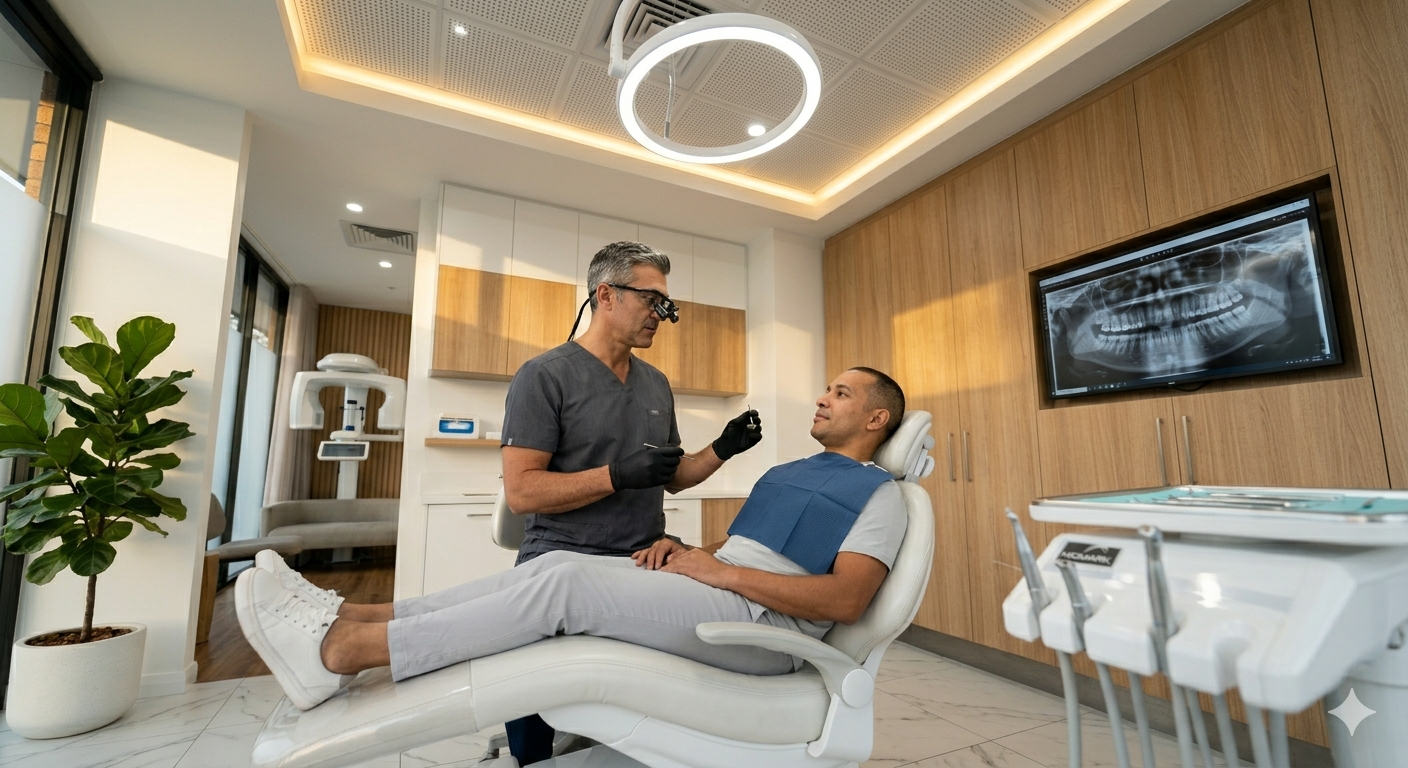
This section explains how Invisalign moves teeth, who typically qualifies, and what a patient can expect from start to finish. It focuses on clear aligner mechanics, clinical candidacy factors, and a practical timeline for treatment milestones.
How Invisalign Works
Invisalign uses a series of clear, custom-made plastic aligners that fit snugly over the teeth. Each aligner advances tooth position a small, controlled amount—usually 0.25 to 0.33 mm—then the patient switches to the next tray about every 1–2 weeks.
The aligners are fabricated from medical-grade thermoplastic (SmartTrack). That material provides consistent force and improved fit compared with older clear aligners, which helps with complex movements like rotations and extrusions.
Clinics typically begin with a digital scan, then create a ClinCheck 3D treatment plan showing each stage. Orthodontists can preview outcomes and adjust movements before printing aligners. Patients wear aligners 20–22 hours daily; removing them only for eating, brushing, and flossing.
Common adjuncts include attachments (tooth-colored bumps bonded to teeth) and elastics for bite correction. These tools increase the range of treatable issues while keeping the system discreet.
Eligibility and Candidacy
Ideal candidates include teens and adults with mild to moderate crowding, spacing, or bite misalignment. Invisalign handles many cases such as overbite, underbite, crossbite, and gaps, though severity matters.
Patients with severe skeletal discrepancies, extensive tooth movement needs, or untreated periodontal disease may require braces or surgical options first. A comprehensive exam, including X-rays and bite records, determines suitability.
Prior dental work influences planning: crowns, implants, and large restorations can be accommodated but may require specific staging. Compliance is critical—patients must commit to wearing aligners daily and attending periodic check-ups.
Local providers in Madison, IN, will evaluate oral health, discuss goals, and present alternatives when alignment goals are unlikely with aligners alone. Financial and insurance aspects are reviewed during this consultation.
Treatment Timeline Overview
Typical treatment spans 6 to 18 months, with most adults averaging 12 months. Shorter timelines apply to minor adjustments; complex cases extend beyond a year and may involve refinements.
Initial visit: consultation, digital scan, X-rays, and treatment plan review. Fabrication period: 1–3 weeks while aligners are made; some offices produce new sets in-office faster.
Active phase: patients switch aligners every 1–2 weeks and visit the provider every 6–10 weeks for progress checks. Clinicians may request refinement scans if teeth stall; refinements add additional sets and 2–6 months on average.
Retention: after active movement, patients receive retainers—often clear removable trays—to prevent relapse. Typical retainer wear is nightly long-term; some providers recommend full-time wear initially for 3–6 months, then nights only.
Types of Invisalign Solutions in Madison IN
Madison offers several Invisalign options tailored to different ages, treatment lengths, and complexity of tooth movement. Each option balances comfort, aesthetics, and clinical control so patients can choose the best path with their local provider.
Standard Invisalign for Adults
Standard Invisalign targets moderate to complex alignment issues for adults, including crowding, spacing, overbite, underbite, and crossbite. Providers in Madison use 3D scans and ClinCheck treatment planning to map progressive aligners that move teeth in planned stages. Typical treatment time ranges from 9 to 18 months depending on severity, with aligners worn 20–22 hours per day and changed every 7–14 days.
Adults benefit from attachments (tooth-colored bumps) placed temporarily on teeth to increase aligner grip for difficult movements. Regular check-ins every 6–10 weeks allow the dentist or orthodontist to monitor progress and make mid-course corrections if needed.
Costs vary by case complexity and provider; many Madison practices offer payment plans and accept insurance that covers orthodontic treatment. Patients appreciate the discreet look and removable trays that make brushing, flossing, and eating easier than with fixed braces.
Invisalign Teen
Invisalign Teen adapts the standard system for adolescents with features that address growth and compliance. Aligners include eruption tabs (space for incoming permanent teeth) and compliance indicators—small blue wear-time markers that fade with use—helping parents and providers track whether aligners are worn properly. Treatment plans account for jaw growth and often coordinate with other pediatric dental care or interceptive orthodontics.
Typical wear time matches adult protocols (20–22 hours daily), but shorter overall treatment duration may occur as teens respond quickly to tooth movement. Check-ups tend to be scheduled every 6–8 weeks to adjust the plan as teeth emerge.
Many Madison families choose Invisalign Teen for its nearly invisible appearance at school and sports, and because trays remove for athletic mouthguards. Financing options and flexible scheduling make it convenient for busy school and activity calendars.
Invisalign Express
Invisalign Express suits minor corrections and cosmetic touch-ups, such as closing small gaps or adjusting front-tooth alignment. These short-term plans often use a reduced number of aligners—commonly 5–10 sets—and can complete treatment in as little as 3–6 months. Clinically, providers select Express only when diagnostic records show limited tooth movement will achieve the desired outcome.
Patients value lower costs and faster results when full orthodontic correction isn’t necessary. Madison dentists will still perform thorough exams and scans to ensure stability and prevent relapse, sometimes recommending a Vivera or other retainer at the end of treatment to maintain results.
Express is ideal for adults or older teens seeking subtle improvements before events like weddings or job interviews, provided the case fits the program’s limitations.
Comparing Invisalign and Traditional Braces
This comparison focuses on three practical areas most patients ask about: how each feels and looks, how daily life and food choices change, and what maintenance each option requires. Specifics below help readers choose based on comfort, appearance, schedule, and hygiene.
Comfort and Aesthetics
Invisalign uses clear, smooth plastic trays that fit snugly over teeth. Patients typically report less soft-tissue irritation than with metal brackets and wires. Aligners are virtually invisible at conversational distance, which many adults and teens prefer for professional or social settings.
Traditional braces attach metal or ceramic brackets to each tooth and connect them with wires. Brackets can rub lips and cheeks initially, causing soreness and small ulcers for some patients. Ceramic braces reduce visibility compared with metal but still show more than clear aligners.
Both systems apply continuous pressure to move teeth, but discomfort patterns differ. Invisalign’s discomfort tends to spike for the first few days after inserting a new tray. Braces cause periodic soreness after wire adjustments and may require emergency visits for broken brackets or poking wires.
Lifestyle and Dietary Considerations
Invisalign requires removing trays for eating and drinking anything other than water. This gives patients freedom to eat normally but demands planning: carry a case and brush or rinse teeth before reinserting aligners to avoid staining and decay. Smokers and heavy coffee drinkers should expect faster discoloration of trays.
Braces are fixed, so patients can eat without removing appliances but must avoid hard, sticky, or chewy foods like nuts, popcorn, caramel, and certain raw vegetables. These items can bend wires or dislodge brackets, leading to additional appointments and prolonged treatment time.
Sports and musical instruments affect choice as well. Invisalign allows effortless participation with a quick removal and reinsert. Contact-sport athletes using braces should wear a custom mouthguard to protect soft tissue and appliances. Wind-instrument players may need an adjustment period with either option.
Treatment Maintenance
Invisalign maintenance centers on discipline: wear aligners 20–22 hours daily, clean them with a soft brush and mild soap or recommended cleaner, and follow the schedule of tray changes provided by the clinician. Missing trays or inconsistent wear slows treatment and can require re-evaluation or new scans.
Braces require routine orthodontic visits every 4–8 weeks for wire changes and bracket checks. Patients must use interdental brushes and floss threaders to clean around brackets and beneath wires. Emergencies like loose brackets or poking wires need prompt attention to avoid treatment delays.
Both treatments demand excellent oral hygiene to prevent decalcification and cavities. Regular dental checkups and professional cleanings remain essential. Patients who value removable, low-visibility appliances and can commit to nightly cleaning often prefer Invisalign; those needing more complex tooth movements or unwilling to manage removable trays may find braces more reliable.
What to Expect During Your Invisalign Journey
Patients can expect a clear sequence: an initial exam and 3D digital scan, delivery of custom aligners with wearing instructions, and routine check-ins to monitor movement and make adjustments. Each step focuses on comfort, predictable tooth movement, and keeping daily life uninterrupted.
First Consultation and 3D Scanning
At the first visit, the provider performs a full oral exam and discusses goals, past dental history, and any concerns like TMJ or missing teeth. They take digital X-rays and photographs to assess bone health and tooth position, which helps determine whether Invisalign is appropriate.
The practice then captures a 3D digital scan of the teeth using an intraoral scanner. This scan replaces messy impressions and creates a precise model to plan tooth movement step-by-step. Patients typically see a projected treatment timeline and final smile simulation during this stage.
Insurance, estimated cost, and payment options are reviewed before moving forward. If attachments, elastics, or interproximal reduction (IPR) are likely, the provider explains why and when those procedures would occur.
Receiving and Wearing Your Aligners
When the first set arrives, the provider verifies fit and places any small tooth-colored attachments as needed to help aligners grip teeth. They instruct the patient to wear aligners 20–22 hours per day and show how to insert, remove, and clean them properly.
Aligners are changed on a schedule—often every 1–2 weeks—based on the treatment plan. Patients should expect mild pressure for 24–72 hours after switching trays; over-the-counter pain relief helps if needed. Eating and drinking rules are simple: remove aligners for meals and brush teeth before reinserting.
Care tips include rinsing aligners after removal, using a soft brush to clean them, and storing them in a provided case. Lost or damaged aligners should be reported immediately so the provider can advise whether to move to the next set or order replacements.
Tracking Progress with Your Provider
Follow-up appointments usually occur every 6–8 weeks, but some practices use remote monitoring apps to collect weekly photos and reduce chair time. During checks, the provider confirms teeth are tracking as planned and addresses fit issues or comfort concerns.
If teeth aren’t tracking, adjustments can include refinements—new scans and a set of additional aligners—to continue toward the target alignment. Providers also monitor oral health, looking for signs of decay or gum inflammation and offering hygiene tips.
At the end of active treatment, the patient receives retainers to maintain results. The provider schedules retainer checks and explains a long-term wear plan to prevent relapse, typically starting with full-time wear and tapering to nights only.
Cost Considerations and Payment Options
Patients should expect a range of costs based on case complexity, provider experience, and the length of treatment. Practical payment options commonly include dental insurance, in-office financing, and third-party lenders that break costs into monthly installments.
Average Price Range in Madison IN
In Madison, IN, Invisalign typically ranges from about $3,000 to $7,000. Mild alignment cases with limited trays and shorter treatment times often fall near $3,000–$4,000.
Moderate cases usually run $4,000–$5,500, reflecting more trays, refinements, and longer monitoring. Complex cases that require attachments, extensive refinements, or combined orthodontic work can approach $6,000–$7,000 or slightly more.
Prices vary by practice. Factors that shift cost include the provider’s Invisalign certification level, use of digital scanning, frequency of follow-ups, and whether auxiliary procedures (extractions, IPR, or attachments) are needed.
Insurance and Financing Choices
Many dental insurance plans cover part of orthodontic treatment, but coverage for Invisalign varies. Typical plans with orthodontic benefits may cover 25%–50% of orthodontic costs up to a lifetime maximum (commonly $1,000–$3,000).
Patients should verify specifics: whether adult orthodontics are included, the lifetime maximum, waiting periods, and whether the plan requires an in-network provider. Ask the office to submit a pre-treatment estimate to the insurer to confirm benefits.
If insurance is limited, dental savings plans can reduce costs for routine care but usually do not fully cover Invisalign. Some practices offer in-house financing or partner with third-party lenders like CareCredit for 6–60 month plans.
Flexible Payment Plans
Most Madison practices provide flexible payment plans to spread the cost. Common options include:
- In-house payment plans with 0% interest for short terms (6–12 months).
- Third-party credit plans (CareCredit, LendingClub) offering fixed monthly payments and promotional 0% APR periods.
- Split-payment arrangements: a down payment at the start (often 10%–30%) followed by monthly installments.
Patients should request an itemized cost estimate showing the down payment, per-visit fees, and any charges for retainers or refinements. Compare total interest, penalties for missed payments, and what happens if treatment takes longer than planned.
Contacting the local Invisalign provider in Madison for a detailed quote and to discuss customized payment options helps patients plan financially and start treatment with confidence.
Caring for Your Invisalign Aligners
Proper daily cleaning and careful handling keep aligners clear, odor-free, and effective. Small habits—rinsing after removal, brushing gently, and using the case—prevent stains, bacteria buildup, and warping.
Daily Cleaning Habits
Rinse aligners under lukewarm water every time they are removed to wash away saliva and loose food particles. Avoid hot water; it can warp the plastic and change the fit.
Brush aligners gently with a soft-bristled toothbrush and clear, unscented, liquid soap — not toothpaste — once in the morning and once at night. Toothpaste is abrasive and creates micro-scratches that trap stains and bacteria.
Use a cleaning soak (carbamide peroxide or specialized Invisalign tablets) 2–3 times per week to remove biofilm and odors. Follow product instructions: typically 15–30 minutes, then rinse thoroughly.
Avoid colored or scented mouthwashes for soaking; they can stain or leave residues. If stubborn stains appear, a 1:1 solution of white vinegar and water soaked for 15–20 minutes followed by a thorough rinse can help without damaging the aligner.
Keep a small travel kit: toothbrush, mild soap, and case. When eating, always remove aligners and store them in the case to prevent loss and contamination.
Handling and Storing Aligners
Always wash hands with soap and water before touching aligners to minimize bacteria transfer. Dry hands slightly so the aligners don’t get slippery and drop.
Use the provided case for storage whenever aligners are out of the mouth. Leaving aligners in napkins, pockets, or on tables increases the risk of damage, loss, or pet chewing.
Avoid wrapping aligners in tissue or paper; that makes them easy to throw away accidentally. Store the case in a cool, shaded place — heat sources like dashboards or direct sunlight can warp plastic.
When inserting, align the aligner with the front teeth first, then seat the molar areas with fingers; do not bite them into place regularly, as that can stress the plastic. If an aligner cracks or doesn’t fit, contact the dental office promptly for guidance and a replacement.
Finding the Right Dental Expert in Madison IN
Look for a provider who combines specialized Invisalign training with clear communication, modern technology, and patient-centered care. Prioritize local experience, verifiable results, and transparent costs when choosing a clinician.
Qualities of a Trusted Invisalign Provider
A trusted provider in Madison typically holds Invisalign certification and has completed case-specific training beyond general dentistry. Check for credentials like “Invisalign Provider” levels (e.g., Gold, Platinum) and ask how many full Invisalign cases they’ve completed in the past year.
Look for an office that uses digital scanning (iTero or comparable intraoral scanners) and 3D treatment planning software. Digital workflows reduce fittings and improve predictability, which matters for comfort and fewer in-office visits.
Patient-focused practices explain expected treatment length, show before-and-after case photos, and provide written estimates for aligner counts and refinement policies. Read local patient reviews and request to see completed cases similar to the reader’s age and bite concern.
Questions to Ask at Your Consultation
Ask how many Invisalign cases the clinician handles monthly and request examples of cases with similar issues (crowding, gaps, crossbite). Specificity shows experience and helps set realistic expectations.
Request a demonstration of the digital treatment plan and timelines: how many sets of aligners, predicted wear per set, and expected number of refinement stages. Clarify fees: initial cost, what’s included (retainers, refinements), and financing or insurance options.
Discuss follow-up care: frequency of check-ins, emergency contact for lost aligners, and retainer policy post-treatment. Finally, ask about comfort measures—options for attachments, chewing buttons, and strategies to manage speech changes—so the patient feels prepared and supported.
Life After Invisalign
Patients should expect a few weeks of adjustment with retainers, regular check-ups, and continued attention to oral hygiene to keep teeth in their new positions. Small changes, like wearing a nightly retainer and scheduling six-month dental cleanings, make the difference between a temporary improvement and a lasting smile.
Retainers and Post-Treatment Care
Most orthodontists in Madison, IN prescribe a clear or Hawley retainer immediately after Invisalign to hold teeth in place. Clear vacuum-formed retainers resemble aligners and usually require nightly wear for at least 6–12 months, then a reduced schedule as directed. Hawley retainers are acrylic with a wire across the front and may be preferred if adjustability or durability is needed.
Patients should clean retainers daily with a soft brush and mild soap or a recommended cleaning tablet; never use hot water. Expect an initial tightness when first wearing the retainer and bring it to the orthodontist if fit changes or discomfort persists. Keep a labeled case and store the retainer away from pets and heat. If a retainer breaks or is lost, contact the provider promptly to prevent relapse.
Maintaining Your Smile Long Term
Routine dental visits and nightly retainer use form the core of long-term maintenance. The dental team often recommends fluoride toothpaste, interdental cleaning with floss or water flossers, and occasional topical fluoride treatments for patients prone to enamel sensitivity or decay.
Lifestyle choices matter: avoid biting hard objects, limit sugary and acidic snacks, and address bruxism with a night guard if grinding was present during treatment. If teeth shift over time, a touch-up with a short series of clear aligners or a new retainer can often correct minor movement. Patients who have questions or notice changes should contact their Madison provider to review options and schedule follow-up care.
Taking the Next Step Toward a Confident Smile
Patients in Madison, IN often feel uncertain about starting Invisalign, and a short consultation usually clears up the main concerns. The dental team explains how aligners work, estimated treatment time, and what to expect at each visit.
A typical first visit includes a digital scan or impressions, a discussion of goals, and a clear cost outline. Many practices offer flexible payment plans and will review insurance benefits to make treatment manageable.
They emphasize comfort and convenience: aligners are removable for eating and brushing, and follow-up visits are usually brief. Patients receive a schedule for switching trays and simple tips for maintaining progress.
Below is a quick checklist to prepare for a consultation:
- Bring a list of questions and any prior dental records.
- Note specific concerns (bite issues, spacing, or aesthetics).
- Ask about alternatives, treatment length, and follow-up care.
Staff reassure patients about common worries like discomfort and speech changes, explaining these are usually mild and short-lived. They encourage patients to ask about retention plans to keep results long-term.
Contact the Madison clinic to schedule a consultation or request a virtual visit; staff will guide next steps and answer insurance or financing questions.
Frequently Asked Questions
These answers address candidacy, expected timelines, the consultation and scanning experience, costs and payment options, everyday adjustments when wearing aligners, and steps to take if an aligner is lost or not worn as prescribed.
Am I a good candidate for clear aligners, or would traditional braces work better for me?
Clear aligners suit mild to moderate crowding, spacing, and some bite issues like mild overbite or crossbite.
Complex tooth movements — large vertical changes, severe rotations, or major bite correction — may require traditional braces or a combined approach.
A dentist in Madison, IN will review X-rays, digital scans, and medical history to decide. Treatment planning often uses 3D models to predict whether aligners can achieve the desired tooth movements.
How long does treatment usually take for mild, moderate, and more complex cases?
Mild cases typically finish in 3–6 months.
Moderate cases often take 6–12 months.
More complex cases usually require 12–24 months and sometimes additional appliances or refinement trays. Individual biology and compliance with wear time (usually 20–22 hours/day) influence total duration.
What does the first consultation and digital scan process feel like, and is it comfortable?
The first visit includes a clinical exam, photos, and a 3D intraoral scan that takes a few minutes per arch.
Most patients feel only light pressure from the scanner; no impression putty is used, so the process is more comfortable than traditional molds.
The dentist will review the 3D treatment plan and show a projected tooth movement sequence, which helps the patient understand expected results before any aligners are made.
How much does clear aligner treatment typically cost, and what payment or financing options are available?
Typical costs in Madison, IN range from about $3,000 for simple cases to $6,500 or more for complex cases.
Insurance may cover part of the treatment; many offices accept dental insurance and will check benefits on the patient’s behalf.
Most practices offer payment plans, in-house financing, or third-party options like monthly plans with low or no interest. Some clinics provide a clear cost estimate and payment schedule at the consultation.
Will wearing aligners affect my speech, eating, or daily routines, and how do I adjust smoothly?
Aligners may cause a slight lisp at first, usually resolving within a few days as the tongue adapts.
Patients should remove aligners for all eating and drinking except water, then brush or rinse teeth before reinserting them.
Carry a case and a travel toothbrush for convenience. Wearing aligners for 20–22 hours daily keeps progress on track and minimizes treatment time.
What happens if I lose an aligner or forget to wear it for a day or two?
If an aligner is lost, contact the dental office promptly; they may issue a replacement or advise moving to the next tray depending on fit and timing.
Missing one or two days usually causes a small delay; wear the last fitting tray while waiting for guidance and resume the prescribed schedule.
Long gaps in wear can cause teeth to shift back and may require additional aligners or refinements, so prompt communication with the provider helps limit disruption.